Kidney Stones and Painless Hematuria: Critical Warning Signs
Endourology, laser stone lithotripsy, and the high-risk diagnosis of painless hematuria
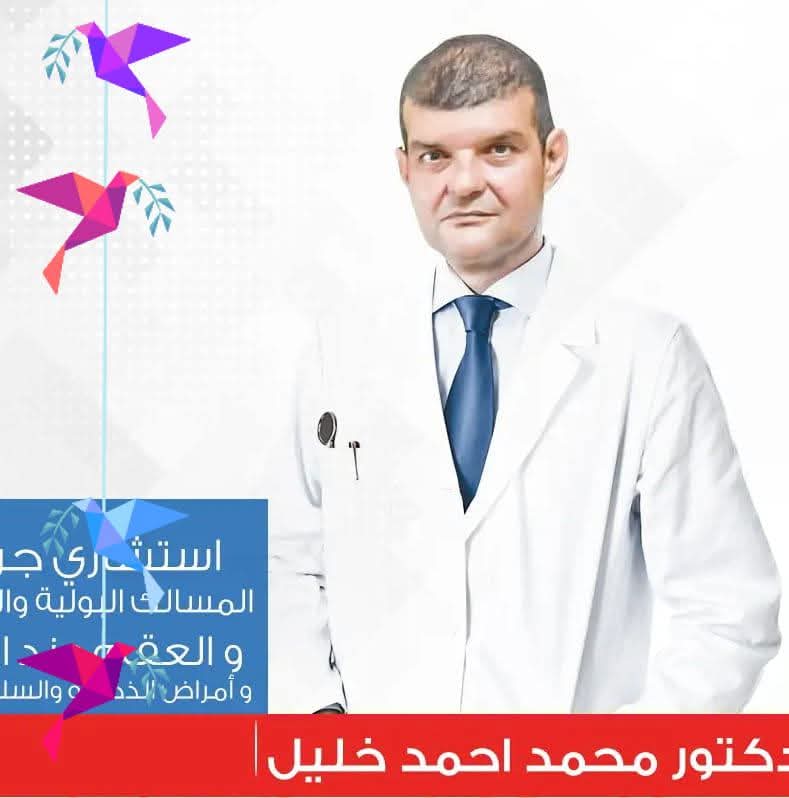
Prof. Dr. Mohamed Ahmed Khalil
Consultant of Urology & Endourology
Key Takeaways & Patient Summary
Relying on analgesics to mask recurrent renal colic allows silent stone growth and progressive obstructive hydronephrosis.
Small stones respond to medical expulsive therapy, while larger stones are cleared via flexible laser endourology with zero open incisions.
Painless hematuria is a red-flag clinical sign requiring urgent cystoscopic and radiological evaluation to exclude bladder tumors.
Early ultrasound and CT diagnostics yield 100% successful same-day stone clearance.
The Hidden Danger of Masking Renal Colic with Analgesics
When acute flank pain or renal colic strikes, relying repeatedly on potent analgesics provides an illusion of relief while allowing the calculus to enlarge, silently obstructing urinary flow and inflicting irreversible parenchymal damage.
"Early endourological diagnosis and flexible laser lithotripsy deliver prompt, painless stone clearance with zero open incisions."
—Dr. Mohamed Ahmed Khalil
Consultant of Urology & AndrologyStone Treatment Roadmap — Medical Expulsion vs Flexible Laser
Treatment strategy depends on calculus diameter, location, and Hounsfield density.
Calculi <5mm may pass with medical expulsive therapy, whereas larger stones warrant flexible ureteroscopy and Holmium laser dusting.
Retrograde Intrarenal Surgery (RIRS) & Laser Dusting
Flexible ureteroscopy navigates through natural passages into all renal calyces.
Holmium laser energy pulverizes stones into fine dust passing effortlessly in urine with same-day home return.
Painless Hematuria — High-Alert Clinical Red Flag
Gross or microscopic hematuria devoid of pain, especially in smokers or patients with bilharzial exposure, warrants urgent cystoscopic and CT evaluation to exclude early bladder neoplasia.
Clinical Verdict & Renal Function Preservation
Proactive hydration (>3 liters daily) and metabolic risk profiling prevent recurrent nephrolithiasis, ensuring lasting renal vitality.
Frequently Asked Questions on Kidney Stones and Laser Therapy
Performed under anesthesia via natural anatomy with zero incisions, patients wake up comfortably and return home the same day.
Patients resume standard office work and routine activities within 24 to 48 hours.
Painless hematuria demands urgent cystoscopy to rule out occult bladder tumors at an early, highly treatable stage.
The laser pulverizes stone architecture into microscopic dust that flushes naturally during urination without mucosal trauma.
Maintaining 3 liters of daily water intake, moderating sodium and oxalate intake, and periodic ultrasound surveillance every 6 months.
Prof. Dr. Mohamed Ahmed Khalil
Consultant of Urology & Endourology